
- Phone: +91 94800 58379
- Mon-Sun 24/7
- contact.sanyrahospital@gmail.com

Kidney Stone
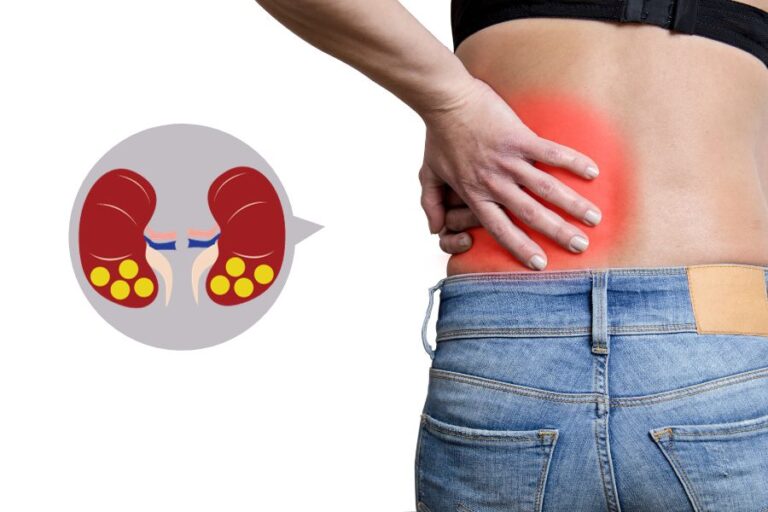
Kidney stones are hard mineral deposits that form inside the kidneys and can cause severe pain if not treated on time. Kidney stone treatment in Bangalore focuses on relieving pain, removing stones safely, and protecting long-term kidney health.
At Sanyra Hospital, Kengeri, a trusted kidney stone hospital in Bangalore, patients receive advanced and minimally invasive care under the guidance of Dr. Rajendra Prasad, an experienced urologist in Bangalore. With early diagnosis and the right treatment approach, most patients recover quickly and avoid future complications.
Kidney stones are solid crystal deposits formed when minerals like calcium or uric acid collect in concentrated urine. These stones may remain in the kidney or move into the urinary tract, causing pain and blockage.
Small stones may pass naturally, but larger stones often need medical care. At Sanyra Hospitals, detailed evaluation by a urologist in Bangalore helps decide whether medication, laser treatment, or surgery is required.
The choice of treatment depends on the stone’s size, location, and symptoms:
Symptoms usually appear when stones move or block urine flow.
Kidney stones form due to a mix of medical and lifestyle factors.
Preventive care plays a key role after treatment.
Treatment is personalized based on stone size, symptoms, and kidney condition.
Laser treatment breaks kidney stones into fine particles using advanced endoscopic tools. At Sanyra Hospitals, this procedure is performed by Dr. Rajendra Prasad with high precision and minimal discomfort.
Patients usually go home the same day and return to normal activities quickly. This method protects surrounding tissues and ensures effective stone clearance.
Surgery is advised for large, multiple, or hard stones that cannot pass naturally. Procedures like PCNL or laparoscopic surgery remove stones completely and prevent kidney damage.
At Sanyra Hospital, Kengeri, these surgeries are performed using modern minimally invasive techniques for faster recovery.
Very small stones may pass naturally with medicines, hydration, and pain control. Patients are monitored closely to ensure the stone does not cause blockage or infection.
If symptoms worsen, surgical options are discussed early to avoid complications.
A temporary ureteral stent may be placed to keep urine flowing freely after stone removal. This reduces pain and swelling during healing. Most patients recover within 3–7 days, and the stent is usually removed within 1–2 weeks under the care of a urologist in Bangalore.
Kidney stones can cause intense pain and serious kidney problems if ignored. Kidney stone treatment in Bangalore at Sanyra Hospital, Kengeri offers safe, advanced solutions led by Dr. Rajendra Prasad, a trusted urologist in Bangalore.
With early diagnosis, modern treatment, and preventive care, most patients recover fully. Timely treatment at Sanyra Hospitals helps protect kidney health and ensures long-term comfort.

MBBS, MS (General Surgery), Mch (Urology), Consultant Urologist, Andrologist, Endoscopic, Laparoscopic & Kidney Transplant Surgeon
CONSULTANT – UROLOGY
Dr. Rajendra Prasad, MBBS, MS, MCh, is a Consultant Urologist and Andrologist with 12+ years of experience in Endoscopic, Laparoscopic, and Kidney Transplant surgeries. He is dedicated to providing expert, patient-centered care.
Kidney stones larger than 6–7 mm often require medical intervention, as they are unlikely to pass naturally. Stones above 10 mm (1 cm) usually need procedures such as laser treatment, ureteroscopy, or PCNL, depending on location and symptoms.
A 7 mm kidney stone may sometimes pass with medications, but many cases require laser treatment (URS/RIRS). The urologist breaks the stone into small fragments that pass safely through urine.
Yes. Small stones can be treated with medications, hydration, and pain control, while Shock Wave Lithotripsy (ESWL) breaks stones without incisions. The choice depends on stone size, type, and location.
Most minimally invasive kidney stone treatments require same-day discharge or 1-day hospital stay. Procedures like PCNL may need 2–3 days, depending on recovery.
Kidney stone surgery is generally safe when performed by an experienced urologist. Risks such as infection or bleeding are low, especially with modern minimally invasive techniques and proper post-operative care.
Untreated kidney stones can cause severe pain, urinary blockage, infections, kidney damage, or loss of kidney function. Timely treatment prevents serious complications.
Red flags include severe persistent pain, blood in urine, fever, chills, vomiting, or difficulty passing urine. These symptoms require urgent medical evaluation.
Pain relief usually includes prescribed painkillers, anti-spasmodic medicines, hydration, and medical supervision. Severe pain may require hospital-based pain management.
High-salt foods, excess animal protein, oxalate-rich foods (such as spinach and nuts), sugary drinks, and excessive vitamin C supplements should be limited to reduce stone formation.
Laser kidney stone treatment (RIRS/URS) and mini-PCNL are among the latest and most effective options. They offer high stone clearance, minimal pain, and faster recovery compared to traditional surgery.
We are happy to assist you! Fill the form we will contact you soon!

Sanyra Hospital is a leading Multi-Speciality Hospital in Kengeri Bangalore and diagnostic centre. With a commitment to providing high-quality healthcare services, it offers a wide range of medical specialties and advanced diagnostic facilities to meet the diverse healthcare needs of the community. We have dedicated urology center & dialysis center.
© 2025, Sanyra Hospital. All Rights Reserved.
WhatsApp us
