
- Phone: +91 94800 58379
- Mon-Sun 24/7
- contact.sanyrahospital@gmail.com

Ruptured Urethra
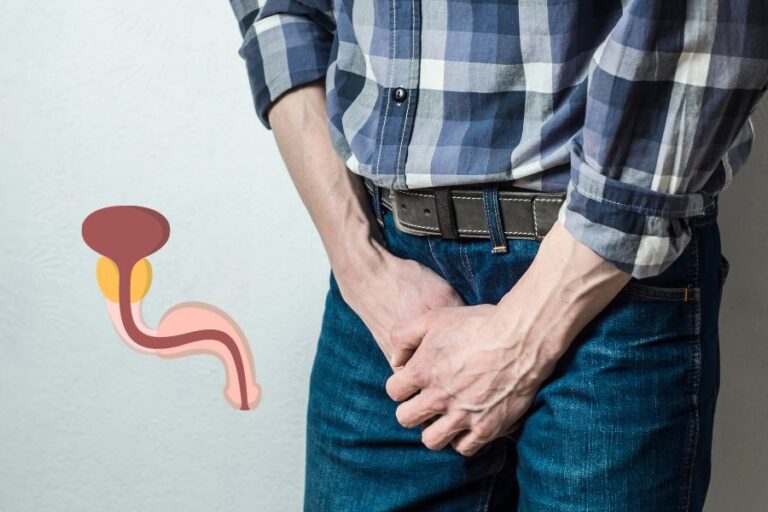
A ruptured urethra is a serious medical emergency where the tube carrying urine from the bladder tears due to trauma, causing urine to leak into surrounding tissues. This can lead to severe pain, swelling, and infection if not treated immediately. Research shows that urethral injuries occur in up to 10% of male patients with pelvic fractures, making fast diagnosis crucial after accidents or falls.
For urgent and reliable Ruptured Urethra Treatment in Bangalore, Sanyra Hospital in Kengeri offers expert emergency care under Dr. Rajendra Prasad, Senior Urologist. He specializes in trauma-related urinary injuries and precise urethral repair, ensuring quick stabilization, accurate diagnosis, and safe recovery for patients.
A ruptured urethra is a tear in the urethral tube, which carries urine from the bladder out of the body. The tear can be partial or complete, and it may occur in either the anterior urethra (towards the front, near the penis or perineum) or the posterior urethra (deep inside the pelvis). This injury commonly results from high-impact trauma, such as road accidents, pelvic fractures, sports injuries, or, in some cases, from medical procedures like catheter insertion when the tissue is already fragile.
Because urine may leak into the surrounding tissues, a ruptured urethra can cause internal bleeding, swelling, and severe infection risk. Quick and accurate diagnosis using imaging tests is essential to determine the type of tear and decide the correct treatment approach. Early care helps prevent long-term complications such as strictures (narrowing of the urethra), difficulty passing urine, or permanent urinary damage.
Below are the main types of urethral tears. Each needs a different plan.
Common causes include trauma and medical procedures. Knowing the cause helps guide Ruptured Urethra Treatment in Bangalore.
Pelvic fracture from a road crash:
High-energy impacts in vehicle accidents can fracture the pelvis and tear the urethra, especially in men, due to the force transmitted through the pelvic bones.
Straddle injury:
Falling onto a hard object like a beam, bar, or motorcycle frame compresses the perineum, which can bruise or rupture the anterior urethra.
Catheter-related trauma:
Improper, forceful, or repeated catheter insertion can injure the urethral lining, especially when the tissue is already inflamed or narrowed.
Surgical injury:
Though uncommon, urethral tears may occur during pelvic or prostate surgeries if nearby structures are difficult to access or visibility is limited.
Severe infection or inflammation:
Chronic infections, swollen tissues, or untreated urethral strictures weaken the urethral wall and make it more prone to tearing even with minor trauma.
Some situations make rupture more likely. Identifying risks helps with prevention.
Recognize warning signs and get help fast. Early treatment matters.
Blood at the urethral opening (meatus):
One of the earliest and most important warning signs. Even a small drop of blood at the tip of the penis indicates possible urethral damage and should never be ignored after trauma.
Inability to pass urine:
A complete tear may block the urinary pathway entirely, making it impossible to urinate. This is a medical emergency and requires immediate evaluation.
Severe pelvic or perineal pain:
Sharp, aching, or persistent pain in the pelvis, groin, or perineal area often follows the injury, especially after accidents, falls, or straddle impacts.
Swelling or bruising in the groin:
Visible bruising, discoloration, or rapid swelling around the scrotum, penis, or perineum can indicate bleeding or urine leaking into nearby tissues.
Leakage of urine into tissues:
When urine escapes into surrounding tissue due to a tear, it can cause painful swelling, infection, and a feeling of heaviness or pressure in the lower pelvis.
Any of these signs—especially after a road accident, fall, or pelvic trauma—should be treated as a medical emergency. Early diagnosis and prompt treatment prevent complications such as infection, strictures, and long-term urinary problems. If symptoms appear, seek Ruptured Urethra Treatment in Bangalore immediately at a specialized center like Sanyra Hospital.
Accurate tests identify the tear, location, and extent. These guide the Ruptured Urethra Treatment in Bangalore plan.
Physical exam:
The doctor first checks for visible signs such as blood at the urethral opening, bruising, swelling, or tenderness in the perineal and pelvic areas. These clues help determine whether a urethral injury is likely before doing imaging tests.
Retrograde urethrogram (RUG):
This is the gold-standard test for urethral injuries. A small amount of contrast dye is gently inserted into the urethra, and X-rays are taken to see where the dye stops or leaks out. This clearly shows whether the tear is partial or complete.
CT scan:
A CT scan is used when a pelvic fracture or internal bleeding is suspected. It provides detailed images of the pelvic bones, bladder, and surrounding organs, helping identify additional trauma.
Ultrasound:
Ultrasound may be used to detect fluid collections, swelling, or urine leakage around the urethra. It is a non-invasive way to assess soft-tissue damage after injury.
Endoscopy (cystoscopy):
In selected cases, the surgeon may pass a small camera through the urethra to inspect the tear directly from inside. This helps in planning surgery or confirming the extent of the injury.
Treatment depends on where the tear is and how severe it is. At Sanyra Hospital in Kengeri, we provide emergency care and reconstructive surgery. Below we outline the common approaches.
Even with good care, some problems can occur. Early follow-up reduces long-term risk.
Simple measures can lower the risk of urethral rupture.
If you suspect that your urethra has ruptured due to an injury or are experiencing the symptoms mentioned above, it is crucial to seek immediate medical help. A ruptured urethra is a severe and potentially life-threatening condition that requires urgent medical attention. Timely diagnosis and appropriate treatment are vital for a successful recovery and to prevent long-term complications. Ensure proper management and care by consulting with a healthcare professional promptly.

MBBS, MS (General Surgery), Mch (Urology), Consultant Urologist, Andrologist, Endoscopic, Laparoscopic & Kidney Transplant Surgeon
CONSULTANT – UROLOGIST
Dr. Rajendra Prasad, MBBS, MS, MCh, is a Consultant Urologist and Andrologist with 12+ years of experience in Endoscopic, Laparoscopic, and Kidney Transplant surgeries. He is dedicated to providing expert, patient-centered care.
If you suspect a urethral tear, come to the emergency room right away. Early evaluation reduces complications.
Minor partial tears sometimes heal with catheter drainage. Complete ruptures usually need surgery.
After repair, many patients regain good flow in 4–6 weeks, but strictures may take more treatment.
Most men keep sexual function, but severe pelvic trauma can cause erectile issues. We discuss risks clearly before surgery.
We use anesthesia and strong pain control. Post-op pain is managed carefully.
We are happy to assist you! Fill the form we will contact you soon!
We are happy to assist you! Fill the form we will contact you soon!

Sanyra Hospital is a leading Multi-Speciality Hospital in Kengeri Bangalore and diagnostic centre. With a commitment to providing high-quality healthcare services, it offers a wide range of medical specialties and advanced diagnostic facilities to meet the diverse healthcare needs of the community. We have dedicated urology center & dialysis center.
© 2026, Sanyra Hospital. All Rights Reserved.
WhatsApp us
