
- Phone: +91 94800 58379
- Mon-Sun 24/7
- contact.sanyrahospital@gmail.com

Hypogonadism
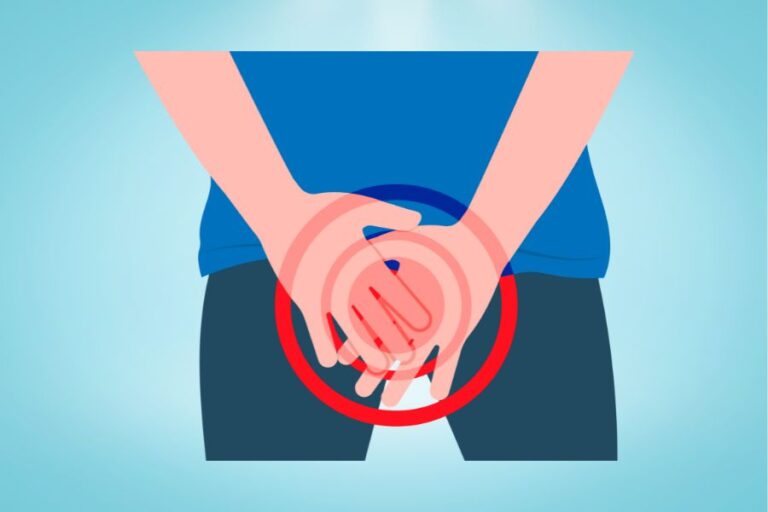
Hypogonadism treatment in Bangalore focuses on identifying and managing conditions in which the body produces inadequate levels of sex hormones, most commonly testosterone deficiency in men and reduced estrogen or progesterone levels in women. Hormonal imbalance can significantly affect energy levels, sexual health, fertility, muscle mass, bone strength, mood, and overall quality of life, often progressing gradually and remaining undiagnosed for long periods.
At Sanyra Hospital, Kengeri, hypogonadism care follows a structured, evidence-based approach that prioritises accurate hormonal evaluation, identification of the underlying cause, and personalised treatment planning. Management is not limited to hormone replacement alone but is tailored based on hormone levels, symptom severity, age, fertility goals, and associated medical conditions, ensuring both short-term symptom relief and long-term health outcomes.
Hypogonadism treatment in Bangalore focuses on identifying and managing conditions in which the body produces inadequate levels of sex hormones, most commonly testosterone deficiency in men and reduced estrogen or progesterone levels in women. Hormonal imbalance can significantly affect energy levels, sexual health, fertility, muscle mass, bone strength, mood, and overall quality of life, often progressing gradually and remaining undiagnosed for long periods.
At Sanyra Hospital, hypogonadism care follows a structured, evidence-based approach that prioritises accurate hormonal evaluation, identification of the underlying cause, and personalised treatment planning. Management is not limited to hormone replacement alone but is tailored based on hormone levels, symptom severity, age, fertility goals, and associated medical conditions, ensuring both short-term symptom relief and long-term health outcomes.
Identifying the type of hypogonadism is essential for selecting the most effective and appropriate treatment approach.
Primary hypogonadism occurs when the problem originates in the testes or ovaries themselves.
Primary hypogonadism occurs when the problem originates in the testes or ovaries themselves.
This is a specific form of secondary hypogonadism characterised by low gonadotropin hormone levels.
Accurate classification of hypogonadism helps guide cause-based treatment, hormone therapy selection, and fertility planning, leading to better long-term outcomes.
Healthcare providers evaluate patients for hormonal imbalances like hypogonadism, which can cause reduced libido, erectile dysfunction, menstrual irregularities, fatigue, and mood changes. Blood tests are crucial for diagnosis. Treatment includes hormone replacement therapy, lifestyle changes, and addressing underlying conditions. Seeking evaluation and guidance from a healthcare professional is essential.
| Feature | Low Testosterone | Hypogonadism |
|---|---|---|
| Treatment | Lifestyle changes, temporary hormone therapy if needed. | Hypogonadism treatment, including testosterone replacement therapy (TRT), fertility management, and lifestyle guidance. |
| Symptoms | Fatigue, reduced libido, erectile dysfunction, decreased muscle mass, low energy. | Same as low testosterone but often more severe; may also include infertility, decreased bone density, and long-term health effects. |
| Outcome | Symptoms may improve naturally or with short-term interventions. | Early diagnosis and targeted treatment can restore hormone balance, improve energy, sexual health, and overall quality of life. |
| Duration | Can be temporary or reversible. | Persistent and requires medical intervention. |
| Diagnosis | Blood tests showing low testosterone levels; may not require further intervention. | Requires blood tests, clinical evaluation, and sometimes imaging to confirm the underlying cause. |
| Definition | A temporary or gradual decrease in testosterone levels, often due to aging, stress, illness, or lifestyle factors. | A clinically diagnosed condition where the body produces insufficient testosterone due to problems in the testes, pituitary gland, or hypothalamus. |
| Cause | Age-related decline, stress, chronic illness, medications, poor lifestyle habits. | Primary (testicular failure) or secondary (pituitary/hypothalamic disorders). |
Hypogonadism can develop due to a variety of underlying factors that affect hormone production or regulation. Common causes of hypogonadism include:
Identifying the root cause of hypogonadism is crucial, as effective treatment depends on addressing both hormone deficiency and the underlying trigger whenever possible.
Symptoms in Men
Symptoms of hypogonadism in men often develop gradually and may be mistaken for normal ageing or stress-related changes. Common symptoms include:
Early recognition of symptoms and timely hormonal evaluation help prevent long-term complications such as infertility, bone loss, and reduced quality of life.
While hypogonadism cannot always be prevented, especially when caused by genetic or congenital factors, certain measures may help reduce the risk, delay progression, or minimise severity, particularly in acquired forms of the condition.
Key preventive steps include:
Early diagnosis and timely intervention help prevent long-term complications such as infertility, osteoporosis, muscle loss, and reduced quality of life.
Effective hypogonadism treatment in Bangalore focuses on identifying the root cause of hormone deficiency and restoring optimal hormonal balance in a safe, structured, and sustainable manner. Treatment is never one-size-fits-all. Instead, it is carefully tailored based on hormone levels, symptom severity, age, fertility goals, and underlying medical conditions.
At Sanyra Hospital, hypogonadism management follows an evidence-based, patient-centred approach aimed at improving energy levels, sexual health, fertility, bone strength, and overall quality of life.
Testosterone replacement therapy is recommended for men with confirmed testosterone deficiency and persistent symptoms.
TRT is prescribed only after thorough evaluation and is not advised for men actively planning fertility, unless combined with fertility-preserving strategies.
For men who wish to maintain or restore fertility, gonadotropin therapy is preferred.
This approach is especially important for younger patients and those planning future conception.
When hypogonadism results from disorders affecting the pituitary gland or hypothalamus, treatment focuses on correcting the underlying cause.
Treating the primary condition often leads to improvement in hormone levels without long-term hormone dependence.
In women, hypogonadism treatment focuses on restoring hormonal balance and relieving symptoms such as menstrual irregularities, fatigue, bone loss, and mood changes.
Medical treatment is complemented by supportive strategies that enhance hormone response and overall health.
Lifestyle optimisation plays a key role in improving treatment response and preventing recurrence.
Start your personalized hypogonadism treatment in Kengeri, Bangalore today to restore testosterone levels, sexual health, and overall well-being.
Hypogonadism is a clinically manageable hormonal condition when diagnosed accurately and treated with a structured, cause-based approach. Advances in hormone replacement therapy, fertility-preserving treatments, and endocrine care have made it possible to restore hormonal balance, improve testosterone levels, protect fertility, and enhance long-term quality of life.
For individuals seeking hypogonadism treatment in Bangalore, early medical evaluation and personalised care are essential to prevent complications such as infertility, bone loss, metabolic disorders, and sexual dysfunction. At Sanyra Hospital, patients receive ethical, evidence-based, and closely monitored treatment, focused on hormonal stability, reproductive health, and sustainable long-term well-being.

MBBS, MS (General Surgery), Mch (Urology), Consultant Urologist, Andrologist, Endoscopic, Laparoscopic & Kidney Transplant Surgeon
CONSULTANT – UROLOGIST
Dr. Rajendra Prasad, MBBS, MS, MCh, is a Consultant Urologist and Andrologist with 12+ years of experience in Endoscopic, Laparoscopic, and Kidney Transplant surgeries. He is dedicated to providing expert, patient-centered care.
The best treatment for hypogonadism depends on the cause and severity. Options include testosterone replacement therapy (TRT), hormone-stimulating medications, or treatment of underlying medical conditions after proper evaluation.
Some forms of hypogonadism caused by temporary or reversible conditions can improve with treatment. However, many cases require long-term management rather than a permanent cure.
Hypogonadism is commonly treated by a urologist or endocrinologist. In men, urologists often manage diagnosis, hormone therapy, and long-term monitoring.
Testosterone replacement therapy is recommended for men with confirmed low testosterone levels and symptoms. The decision is made after blood tests and clinical evaluation.
Diagnosis involves blood tests to measure testosterone levels, usually done in the morning, along with clinical assessment of symptoms and medical history.
Common symptoms include low energy, reduced libido, erectile issues, loss of muscle mass, mood changes, weight gain, and reduced concentration.
When prescribed and monitored by a specialist, testosterone therapy is generally safe. Regular follow-ups help prevent side effects and ensure hormone levels remain balanced.
Yes. Hypogonadism can reduce sperm production and fertility. Fertility-preserving treatment options are available and should be discussed before starting therapy.
Some symptoms such as energy and mood may improve within a few weeks, while changes in muscle strength and sexual health may take several months.
Men with consistently low testosterone levels, significant symptoms, and no contraindications after evaluation are considered suitable candidates.
Insurance coverage varies by provider and policy. Diagnostic tests are often covered, while hormone therapy coverage depends on individual plans.

We are happy to assist you! Fill the form we will contact you soon!

Sanyra Hospital is a leading Multi-Speciality Hospital in Kengeri Bangalore and diagnostic centre. With a commitment to providing high-quality healthcare services, it offers a wide range of medical specialties and advanced diagnostic facilities to meet the diverse healthcare needs of the community. We have dedicated urology center & dialysis center.
© 2026, Sanyra Hospital. All Rights Reserved.
WhatsApp us
